
Photon-Counting Educational Kit
A ready-to-teach kit for single-photon physics, time-resolved measurements and photonic applications.
From single photons to time-resolved measurements
Integrated illumination and detection
Ready-to-use in labs and courses
Including application examples
Our vision on why accessible single-photon education matters
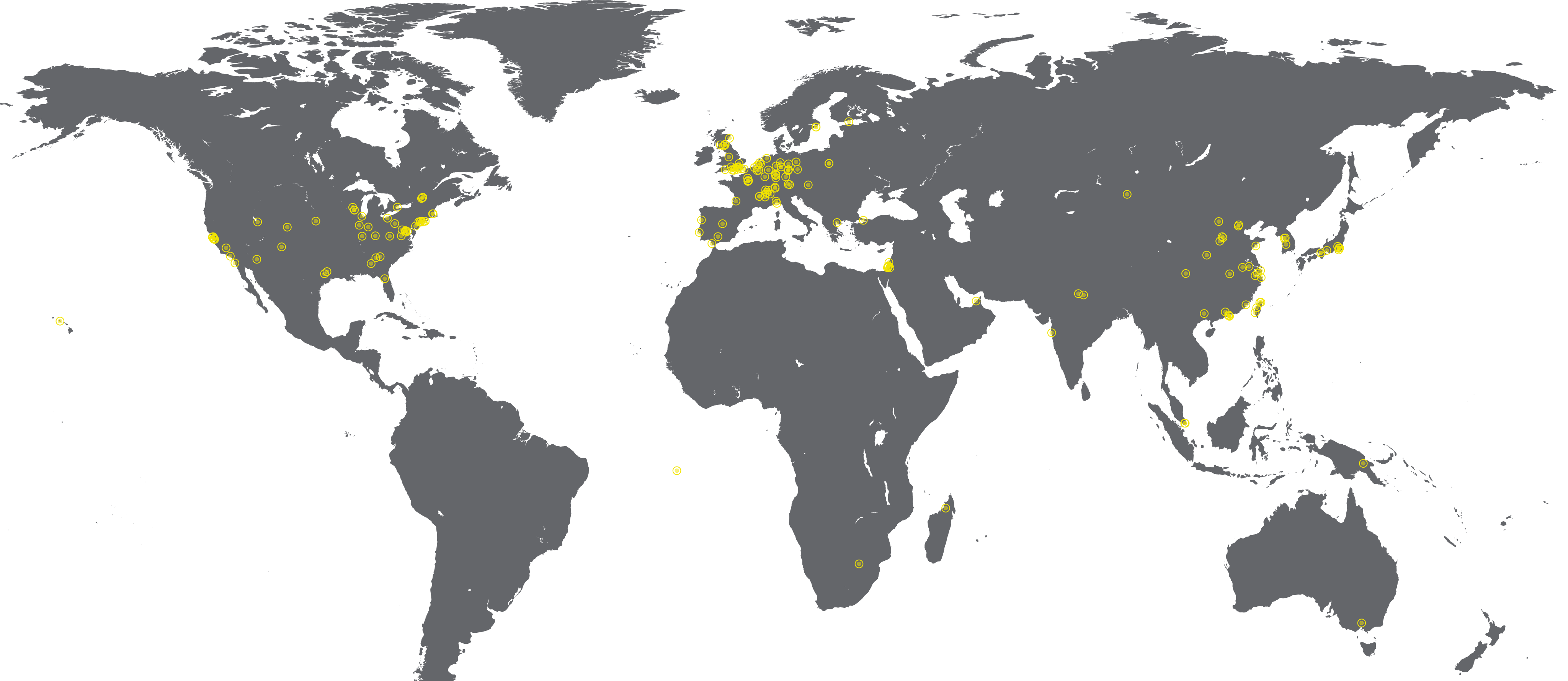
The next breakthrough in noninvasive glucose detection or advanced brain mapping will likely depend on photon detection – yet many of these breakthroughs remain limited to groups with adequate residence. The world map above reveals a gap: we currently have no single-photon users in Latin America or Africa, and adoption remains limited across Eastern Europe and much of Asia.
This translates to most scientific and deep-tech equipment, out of reach for many. We are thus launching the Photon-Counting Educational Kit to help change that: to put single-photon detection into students’ hands, worldwide, as early as their bachelor’s studies, turning concepts from the classroom into experiments they can run themselves.
Our ambition goes beyond the classroom: we want single-photon technology to become part of the toolkit students carry into their careers. The model is straightforward—lower the barriers to learning and make the technology easy to integrate into university courses through hands-on labs, lecture slides, and hardware.
Bringing photonics and quantum education into universities
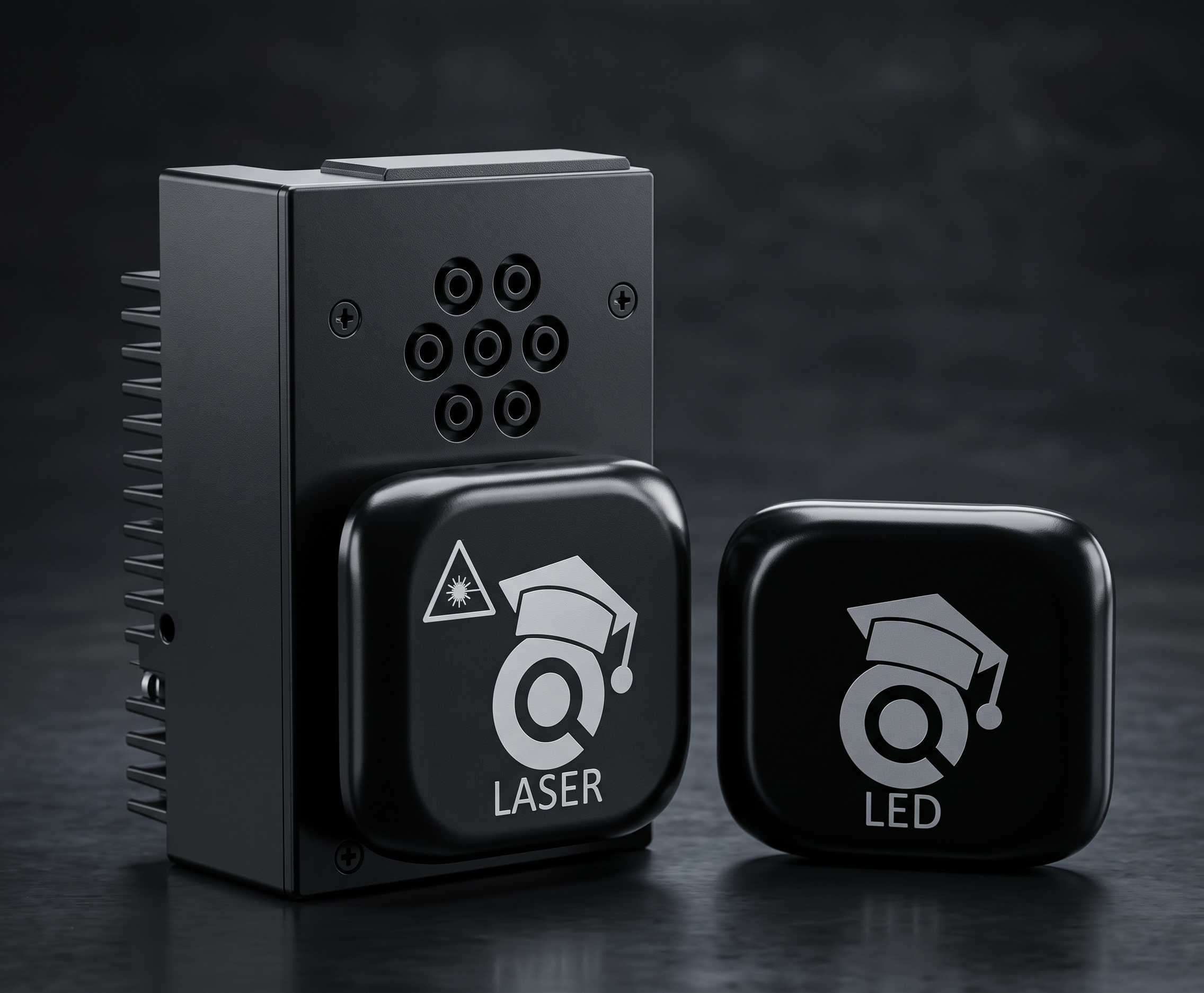
The Photon-Counting Educational Kit brings single-photon physics from theory into the laboratory, offering a turn-key platform for hands-on education. Built around a 23-pixel SPAD array, it bridges the gap between academic concepts and real experimental practice.
Integrated illumination and detection
The kit includes an embedded optical excitation module with RGBW LEDs and a pulsed laser diode, supporting both continuous and time-resolved experiments. All sources are software-controlled, enabling flexible experimental design.
From single photons to time-resolved measurements
The system delivers high-sensitivity photon detection over a broad spectral range (400–1000 nm), with peak efficiency around 520 nm. Each photon is individually detected and time-stamped with 20 ps resolution, enabling precise studies of photon statistics and temporal dynamics.
Ready-to-use in labs and courses
Beyond hardware, the kit provides a full teaching environment, including lecture materials and a Python-based software stack for acquisition, simulation, and data analysis. Students work with guided and partially completed scripts. The curriculum spans from fundamental photon detection and SPAD physics to advanced applications such as fluorescence lifetime imaging (FLIM) and light detection and ranging (LiDAR).

| WHAT CAN STUDENTS DO? |
|---|
| Measure photon distributions and compare them with simulated data and theory |
| Study detector noise (dark counts, afterpulsing and crosstalk) and sensitivity |
| Acquire and analyze time-correlated single photon counting (TCSPC) data |
| Perform time-of-flight measurements and reconstruct distance |
| Generate and evaluate random data from photon-detection events |
| Modify Python scripts to design their own measurement sequences |
| SUITABLE FOR |
|---|
| Undergraduate photonics laboratories |
| Master’s-level optical sensing courses |
| Quantum technology introductions |
| Experimental physics laboratories |
| Imaging teaching |
| Confocal microscopy and FLIM teaching |
| LiDAR and time-of-flight teaching |